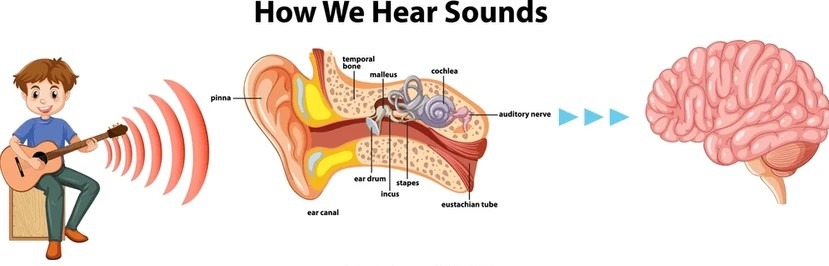

Have you ever wondered how your voice really sounds to others? Often, we assume the voice we hear in our head while speaking is the same as what others hear, but it’s far from true. What they hear is usually different and can reveal inconsistencies, mispronunciations, or even missing sounds and letters, which might go unnoticed by you. That’s why sometimes when you’re singing, you get weird looks. You might sound like a seasoned opera vocalist to yourself, but others are probably frowning and thinking, “What’s this one even doing?”
But before we dive into the rest of the article, let’s first look at how sound is actually produced.
It all starts with air. When you breathe out, air from your lungs travels up to your voice box (larynx), where two small structures called vocal folds sit. These folds come together and vibrate as air passes through them, creating sound.
That sound is then shaped by your throat, mouth, and nose. Your tongue, lips, and teeth refine it further into the words you speak. So when something affects your voice, it could be coming from any part of this process.
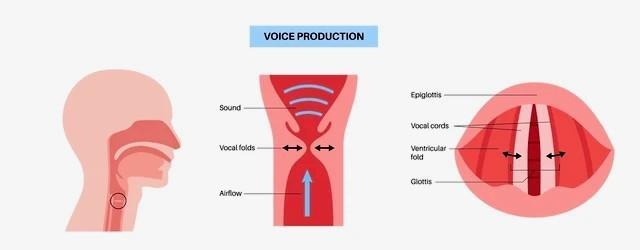
Sound begins in the lungs, passes through the vocal cords, and is shaped by your mouth.
Your voice can be affected by so many factors which can include your everyday habits, your environment, and even your overall health.
Some of these factors include:
- Overusing your voice (like talking for long periods, shouting, or speaking in noisy places) which can eventually strain your vocal folds. Over time, this will likely make your voice sound hoarse, weak, or tired.
- Infections such as colds or laryngitis can also affect your voice. When your vocal folds become inflamed, they don’t vibrate as smoothly, hence changing your voice quality.
- Acid reflux is another common factor. When stomach acid travels up to the throat, it can irritate the vocal folds and lead to a rough or strained voice, even if you don’t feel heartburn.
- Allergies and environmental irritants like dust, smoke, or dry air can dry out or irritate your throat, making it harder for your vocal folds to work properly.
- Stress and muscle tension, too. Tightness in the neck and throat can interfere with how your voice is produced, sometimes making you sound strained or uncomfortable.
- Hearing challenges can also play a role. When you can’t hear yourself clearly, you may speak louder or lower than necessary or mispronounce certain sounds without realizing it.
- Growths on your vocal cords such as cancers or growths on any structures that are involved in functioning of vocal cords
- Neurological conditions that affect the nerves that cause the voice producing structures to function properly.
- Injuries directly the vocal cords such as intubation or surgery, corrosives or neck injuries from accidents
- Hormonal changes or changes that come with aging
Red flags to watch for.
If you notice any of these, you might need to visit your ENT doctor:
- Persistent hoarseness: Rough, weak, or strained voice lasting more than two weeks.
- Pain or discomfort when speaking is not normal. Talking should not hurt, so if you feel tension, tightness, or pain in your throat or neck while speaking, it could be a sign of vocal strain or irritation.
- Sudden changes in your voice, for example a drop in pitch, loss of strength, or a voice that cracks more than usual, can point to underlying issues that need attention.
- Vocal fatigue: If your voice feels tired after short periods of talking, your vocal folds may be under strain.
- You should also pay attention to difficulty pronouncing certain sounds or feeling like your voice isn’t as clear as it used to be. These changes can sometimes go unnoticed by you but be obvious to others.
Nonetheless, there are still ways you can protect and improve your vocals.
Let’s take a look at them;
- Staying hydrated is essential. Your vocal folds need moisture to work properly, and drinking enough water helps them vibrate smoothly while reducing strain. Remember, dry vocal folds are more easily irritated and can make your voice sound rough.
- Try not to speak for long periods without rest, especially in loud environments where you have to raise your voice. Giving your voice regular breaks can prevent fatigue and strain.
- Also, be mindful of how you speak. Speaking too loudly, too quickly, or from your throat instead of using proper breath support can put pressure on your vocal folds. A relaxed, steady voice is easier to maintain and healthier in the long run.
- Watch how often you clear your throat and cough. Frequent throat clearing can irritate your vocal folds. Instead, try sipping water or swallowing as a better alternative.
- Limit exposure to irritants like smoke, dust, and very dry air that can affect your throat and voice.
- Take care of underlying conditions you may have. Such conditions include acid reflux, allergies, or respiratory infections. Managing these early can prevent long-term vocal issues.
- And lastly, consider professional guidance if needed. If you rely heavily on your voice or notice ongoing issues, voice therapy or guidance from a speech specialist can help you improve how you speak and pronounce words more clearly.
Your voice is something you use every day, often without thinking about it, but like any other part of your body, it needs care. Small changes in how you sound or feel while speaking can be easy to ignore, but over time, they can develop into more serious issues.
Are you noticing changes in your voice, or experiencing discomfort when you speak?
Reach us on +250781921753 or info@humanhoodclinics.rw to book an appointment and get a professional assessment. Early care can help you identify underlying causes in a timely manner, protect your voice, improve how you sound, and prevent long-term vocal problems.
This content is for educational/informational purposes only and is not intended for diagnosis or treatment.
By Anna Mary Ninsiima, Medical Writer.