

HumanHood Clinics

Is your voice healthy?

Have you ever wondered how your voice really sounds to others? Often, we assume the voice we hear in our head while speaking is the same as what others hear, but it’s far from true. What they hear is usually different and can reveal inconsistencies, mispronunciations, or even missing sounds and letters, which might go unnoticed by you. That’s why sometimes when you’re singing, you get weird looks. You might sound like a seasoned opera vocalist to yourself, but others are probably frowning and thinking, “What’s this one even doing?”

But before we dive into the rest of the article, let’s first look at how sound is actually produced.

It all starts with air. When you breathe out, air from your lungs travels up to your voice box (larynx), where two small structures called vocal folds sit. These folds come together and vibrate as air passes through them, creating sound.

That sound is then shaped by your throat, mouth, and nose. Your tongue, lips, and teeth refine it further into the words you speak. So when something affects your voice, it could be coming from any part of this process.
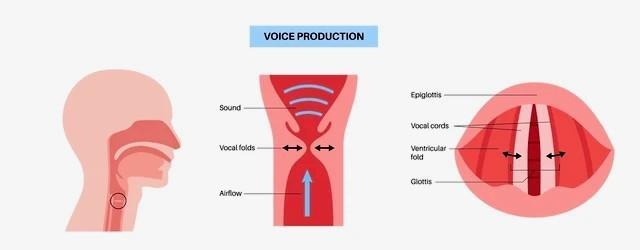
Sound begins in the lungs, passes through the vocal cords, and is shaped by your mouth.

Your voice can be affected by so many factors which can include your everyday habits, your environment, and even your overall health.

Some of these factors include:

  • Overusing your voice (like talking for long periods, shouting, or speaking in noisy places) which can eventually strain your vocal folds. Over time, this will likely make your voice sound hoarse, weak, or tired.
  • Infections such as colds or laryngitis can also affect your voice. When your vocal folds become inflamed, they don’t vibrate as smoothly, hence changing your voice quality.
  • Acid reflux is another common factor. When stomach acid travels up to the throat, it can irritate the vocal folds and lead to a rough or strained voice, even if you don’t feel heartburn.
  • Allergies and environmental irritants like dust, smoke, or dry air can dry out or irritate your throat, making it harder for your vocal folds to work properly.
  • Stress and muscle tension, too. Tightness in the neck and throat can interfere with how your voice is produced, sometimes making you sound strained or uncomfortable.
  • Hearing challenges can also play a role. When you can’t hear yourself clearly, you may speak louder or lower than necessary or mispronounce certain sounds without realizing it.
  • Growths on your vocal cords such as cancers or growths on any structures that are involved in functioning of vocal cords 
  • Neurological conditions that affect the nerves that cause the voice producing structures to function properly.
  • Injuries directly the vocal cords such as intubation or surgery, corrosives or neck injuries from accidents
  • Hormonal changes or changes that come with aging

Red flags to watch for.

If you notice any of these, you might need to visit your ENT doctor:

  • Persistent hoarseness: Rough, weak, or strained voice lasting more than two weeks.
  • Pain or discomfort when speaking is not normal. Talking should not hurt, so if you feel tension, tightness, or pain in your throat or neck while speaking, it could be a sign of vocal strain or irritation.
  • Sudden changes in your voice, for example a drop in pitch, loss of strength, or a voice that cracks more than usual, can point to underlying issues that need attention.
  • Vocal fatigue: If your voice feels tired after short periods of talking, your vocal folds may be under strain.
  • You should also pay attention to difficulty pronouncing certain sounds or feeling like your voice isn’t as clear as it used to be. These changes can sometimes go unnoticed by you but be obvious to others.

Nonetheless, there are still ways you can protect and improve your vocals.

Let’s take a look at them;

  • Staying hydrated is essential. Your vocal folds need moisture to work properly, and drinking enough water helps them vibrate smoothly while reducing strain. Remember, dry vocal folds are more easily irritated and can make your voice sound rough.
  • Try not to speak for long periods without rest, especially in loud environments where you have to raise your voice. Giving your voice regular breaks can prevent fatigue and strain.
  • Also, be mindful of how you speak. Speaking too loudly, too quickly, or from your throat instead of using proper breath support can put pressure on your vocal folds. A relaxed, steady voice is easier to maintain and healthier in the long run.
  • Watch how often you clear your throat and cough. Frequent throat clearing can irritate your vocal folds. Instead, try sipping water or swallowing as a better alternative.
  • Limit exposure to irritants like smoke, dust, and very dry air that can affect your throat and voice. 
  • Take care of underlying conditions you may have. Such conditions include acid reflux, allergies, or respiratory infections. Managing these early can prevent long-term vocal issues.
  • And lastly, consider professional guidance if needed. If you rely heavily on your voice or notice ongoing issues, voice therapy or guidance from a speech specialist can help you improve how you speak and pronounce words more clearly.

Your voice is something you use every day, often without thinking about it, but like any other part of your body, it needs care. Small changes in how you sound or feel while speaking can be easy to ignore, but over time, they can develop into more serious issues.

Are you noticing changes in your voice, or experiencing discomfort when you speak?

Reach us on +250781921753 or info@humanhoodclinics.rw to book an appointment and get a professional assessment. Early care can help you identify underlying causes in a timely manner, protect your voice, improve how you sound, and prevent long-term vocal problems.

This content is for educational/informational purposes only and is not intended for diagnosis or treatment.

By Anna Mary Ninsiima, Medical Writer.

Sleep and hearing health

Sleep may be one of the most slept-on ways to support your hearing health. We often hear about the benefits of sleep for overall health, but rarely about how it affects our hearing. So let’s look at that today. 

The brain plays a key role in how we hear

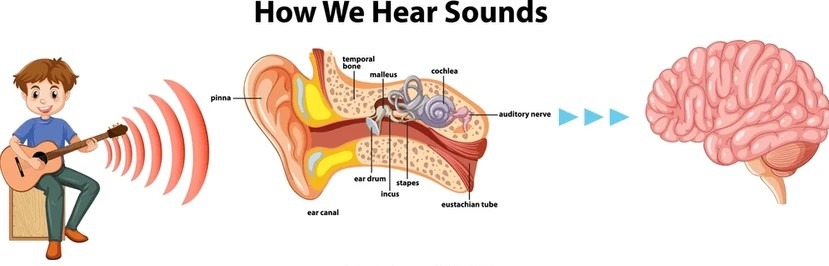
Hearing is often thought of as something only the ears do, but in reality, it is just as much a function of the brain. The ears collect sound, but the brain is responsible for interpreting this sound by separating speech from background noise, identifying familiar voices, and making sense of what we hear. In short, hearing is a team effort between your ears and your brain. 

So, what does sleep have to do with hearing health?

It’s safe to say that we all know what sleep is. But to refresh our memories, sleep is the time when the body and brain reset so they can function properly the next day. During sleep, a fluid in the brain called Cerebrospinal Fluid (CSF) cleans out metabolic waste in the brain, which is part of the many processes that help you feel refreshed or recharged when you wake up the next day. 

So when you don’t get enough sleep, this is what is happening to your hearing health:

  • Blood flow to your ears is reduced. Not getting enough rest can affect your heart and blood circulation, which means less blood reaches the hair cells (tiny sensory cells in your cochlea) that help you hear by turning sounds into signals your brain can understand. Over time, this can make hearing more difficult.
  • Your brain is going to get exhausted.  A tired brain has a harder time filtering out background noise and making sense of speech. The longer you go without sufficient rest/sleep, the more listening becomes mentally exhausting.
  • Poor hearing can raise stress, making sleep even harder. At the same time, the lack of sleep can worsen hearing problems. If left unchecked, this can become a negative cycle of poor sleep leading to poor hearing leading to poor sleep and so forth.
  • The stress that accompanies poor sleep can worsen tinnitus (ringing in the ears). When you are sleep-deprived, stress hormones like cortisol, adrenaline, and noradrenaline rise and this can make ringing or buzzing in the ears feel louder and more disruptive

This might also explain why listening is sometimes mentally exhausting. Your brain, already processing incoming sounds, is also juggling memory, interpretation, attention, and concentration. This explains why listening can feel so exhausting when you’re sleep-deprived.

It is also probably why after getting little to no rest, you might experience headaches or tension in the neck and shoulders, increased heart rate, eye strain, and general exhaustion or feeling drained.

Sleep and balance

Balance is controlled by a system in your inner ear called the vestibular system, which works together with your brain and eyes to keep you steady. Just like hearing, this system depends on healthy brain function and good blood flow.

So when you do not get enough sleep:

  • Your brain struggles to process signals from your inner ear, eyes, and muscles, making it harder to stay coordinated. 
  • Nerve function and circulation in the inner ear may be reduced, affecting both hearing and balance.
  • Chronic sleep loss can make mild dizziness or lightheadedness worse, even in otherwise healthy people.

So it is safe to say that good sleep helps your brain and inner ear work together, which in turn keeps your balance sharp and prevents unsteadiness.

Poor sleep can affect how the brain processes sound

What you can do to both sleep and hear better:

  • Keep a consistent schedule by going to bed and waking up at the same time every day. This helps your body’s internal clock stay on track and makes it easier to fall asleep and wake up refreshed.
  • Consider limiting stimulants and heavy meals close to bedtime since they can make it harder to fall asleep. Such things to avoid include caffeine, alcohol, and big meals.
  • Cut screen time before bed and put away your phones, tablets, and computers. They have the capacity to keep your brain alert hence making it harder to sleep. Take a break from screens at least an hour before bed.
  • Limit earphone use and avoid prolonged exposure to loud noises. Remember, healthy hearing habits support both sound processing and restful sleep.
  • Make your bedroom quiet, dark, and cool. Reducing noise, light, and temperature disruptions helps you get deeper, more restorative sleep.
  • Address any underlying conditions you may have for example sleep apnea, tinnitus, insomnia, or hearing loss, by seeking professional help. Treating these conditions can improve both your quality of sleep and your ability to hear.
  • Finally, practice relaxation techniques. Meditation, deep breathing, or gentle stretching before bed can lower stress and reduce the impact of fatigue on your hearing and balance.

As this article draws to a close, we would like to remind you that sleep is not as mundane as people think it is. It is a superpower for your brain, your hearing, your balance, and your overall health and wellbeing. 

When you don’t get enough of it, even everyday sounds can feel tiring, your focus can slip, and your inner ear struggles to keep you steady. Prioritising good sleep, protecting your ears, and managing stress aren’t just nice-to-haves. They directly support how well you hear, understand, and move through the world.

Are you worried that the ringing in your ears or hearing issues are messing with your sleep? Contact us on +250781921753 or info@humanhoodclinics.rw to book an appointment and let our experts help you hear better, sleep better, and feel your best.

By Anna Mary Ninsiima, Medical Writer.
Why Do Children Get Frequent Ear, Nose and Throat Infections?

Why Do Children Get Frequent Ear, Nose and Throat Infections?

Many parents notice that their children often have repeated colds, ear pain, blocked noses, or sore throats. These ear, nose and throat (ENT) infections are very common in childhood and can affect sleep, feeding, hearing, and school attendance.

Understanding why children experience frequent ENT infections helps families know when this is normal and when medical care is needed.

What Are Frequent ENT Infections in Children?

ENT infections affect the ears, nose, sinuses, or throat. A child may experience:

  • Repeated ear infections
  • Persistent runny or blocked nose
  • Frequent tonsillitis or sore throat

Young children, especially under 5 years, commonly have several respiratory infections each year because their immune system is still developing. However, infections that occur very often or do not fully resolve may require evaluation.

Why Are Children More Prone to ENT Infections?

Several common factors increase risk:

Developing immunity
Children are still building protection against germs, so infections occur more easily.

Close contact in school or daycare
Respiratory infections spread quickly among children in shared environments.

Dust and urban exposure
In Kigali and other urban areas, dust and air irritation can affect the nose and throat.

Allergies
Nasal allergies cause blockage and mucus that can lead to sinus or ear infections.

Enlarged adenoids or tonsils
These tissues can block nasal passages and promote repeated infections.

Smoke exposure
Indoor cooking smoke or tobacco smoke irritates the airway lining.

Signs Parents Should Watch For

Children with frequent ENT infections may have:

  • Ear pain or pulling the ear
  • Persistent runny or blocked nose
  • Mouth breathing or snoring
  • Recurrent sore throat
  • Fever with infections
  • Hearing difficulty
  • Delayed speech or unclear speech

These symptoms may affect sleep, learning, and communication.

When Should You Seek Medical Evaluation?

A child should be assessed by a clinician or ENT specialist if there is:

  • Repeated ear infections in a year
  • Persistent nasal blockage or mouth breathing
  • Snoring or breathing pauses during sleep
  • Frequent tonsillitis
  • Hearing concerns or speech delay
  • Symptoms lasting more than 10–14 days
  • Ear discharge

Early evaluation helps prevent complications such as hearing loss or speech delay.

How Are Frequent ENT Infections Assessed?

Evaluation usually includes:

  • History of infection frequency and symptoms
  • Examination of ears, nose, and throat
  • Hearing assessment if needed
  • Assessment of adenoids, tonsils, or allergies

This helps identify underlying causes and guide treatment.

Treatment Options

Treatment depends on the cause and severity.

Medical care may include:

  • Pain relief
  • Nasal saline cleaning
  • Allergy treatment
  • Antibiotics when bacterial infection is confirmed

Some children benefit from procedures, such as:

  • Adenoid removal
  • Tonsil removal
  • Ear tubes for recurrent ear infections

Treatment decisions are individualized.

Prevention Tips for Families in Rwanda

Many ENT infections can be reduced through daily habits:

  • Encourage handwashing
  • Keep vaccinations up to date
  • Reduce indoor smoke exposure
  • Improve home ventilation
  • Manage dust exposure
  • Treat allergies early
  • Avoid self-medication
  • Seek care for persistent symptoms

These measures support healthy airways and immunity.

Key Take-Home Message

Frequent ear, nose and throat infections are common in children because their immune system is still developing and they are exposed to many respiratory germs. However, repeated or persistent infections may signal underlying issues such as allergies, enlarged adenoids, or ear fluid.

Early recognition and proper care help protect hearing, speech development, sleep quality, and school performance.

ENT Care at Humanhood Clinics

Humanhood Clinics is a multidisciplinary ENT clinic in Kigali providing ear, nose and throat care Rwanda families can access locally. ENT specialists assess and manage recurrent ear infections, tonsillitis, nasal blockage, sinus disease, hearing concerns, and related conditions in children and adults.

Care is coordinated with audiology and speech & language therapy services when needed, supporting comprehensive hearing and ENT services Rwanda patients may require.

If you have concerns about frequent ear, nose or throat infections in a child, a qualified ENT professional can provide proper evaluation and guidance.