
Do your children literally never listen? Don’t answer when you call them from afar? Or take forever to respond?
Well, it could be a case of stubbornness… or compromised hearing.
So, when they are acting “stubborn”, is it worth looking into?
YES, but not through scolding. Try to have a conversation with them to figure out what’s really going on. Children are more susceptible to hearing loss because their ears are still developing and are more vulnerable to infections and environmental factors. In fact, a child may be born with a degree of hearing impairment. So if they show signs of not being able to hear well, you definitely have to pay attention.
The issue is that children do not fully understand what is going on with their bodies, so if your child has hearing loss, it might take time to notice. They may experience the signs and symptoms and still not think it is something worth mentioning to mom and dad.
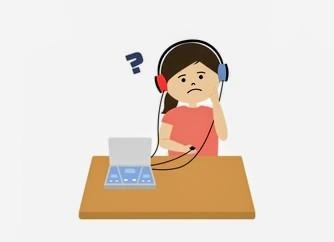
When children cannot explain what they are experiencing, a hearing test can help identify possible hearing difficulties
So, is your child choosing not to hear you, or are they genuinely unable to hear you?
If your child has a tendency of doing any or some of these, you may want to pay more attention to their hearing health;
Listening and response;
- They may struggle to consistently recognize your voice even after several months of exposure. This can mostly be observed in babies and toddlers because they learn familiar voices and sounds through repeated hearing.
- They are unaware of sudden loud sounds others easily notice and barely react to them. Such sounds could include the honking of cars, chirping of birds, clapping, and even the loud roving of an engine in the distance.
- They prefer facing the person speaking to them and even end up lip-reading. Many people with hearing loss lip-read a lot and need to face the speaker to understand what’s being said lest the words become a string of incoherent noise.
- They increase the TV volume often. If they cannot hear at the same volume others can, something could be wrong.
- They respond off-topic a lot and tend to guess what you have said. Mishearing things is common with hearing loss, so if your child mishears things a lot, it may be a good idea to look into it.
- They also tend to position themselves close to the person who is speaking to hear them better.
Speech and communication:
- They have unclear speech and tend to mispronounce words. Children learn to speak by hearing sounds first, then copying them. If certain words are not clearly heard (especially soft or similar-sounding letters), they may form the words incorrectly.
- They may experience delayed speech development, especially toddlers. The brain builds language by constantly receiving clear sound input. So when hearing is reduced, the input is weaker, which means speech and word formation may take longer to develop.
- They often speak louder than necessary because they cannot clearly hear their own voice at normal levels. They may assume others, too, can’t hear them and they adjust by speaking louder without even realizing it. What sounds loud to you may sound normal to them.
- They may also have subtle changes in speech patterns or accent compared to their environment (surroundings). This can occur when they are not consistently hearing the full details of speech sounds such as tone, stress, and pronunciation.
Behavior and social clues:
- They might have difficulty following certain instructions because of mishearing. “Pass me the bowl” might be heard as “Pass me the ball” and you’ll end up with a bowl and nowhere to pour your porridge.
- They copy cues from others because they have not understood instructions. In the instance that they know they should be doing something but not when they should do it, they will likely keep their eyes on others to see when they start doing the things. They may use others’ actions to guide them.
- They say “huh” a lot during conversations most probably because they did not hear you well the first few times.
- Suddenly performing poorly in school. Sometimes they are distracted, not serious enough, and other times, they just can’t hear well in class and probably do not know what to do about it because they do not know that something is wrong with them.
These signs can appear at any age, though they may show up differently depending on your child’s stage of development.
One or two of these signs on their own may not mean much, but when you start noticing patterns, take your child to a hospital for proper hearing tests and a more reliable diagnosis. Early assessment helps ensure timely support and intervention.
In some cases, hearing difficulties may be caused by treatable conditions such as earwax build-up or ear infections, which can be managed once properly assessed. However, it is always better to be safe than sorry when it comes to a child’s hearing and development.
Are you concerned that your child may have difficulty hearing normally? Hearing assessment and testing services are available at Humanhood Clinics. You can book an appointment with us through a call +250781921753 or email us on info@humanhoodclinics.rw
By Anna Mary Ninsiima, Medical Writer