
Sleep may be one of the most slept-on ways to support your hearing health. We often hear about the benefits of sleep for overall health, but rarely about how it affects our hearing. So let’s look at that today.
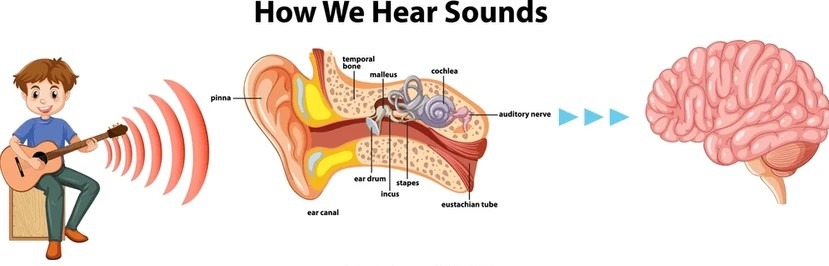
The brain plays a key role in how we hear
Hearing is often thought of as something only the ears do, but in reality, it is just as much a function of the brain. The ears collect sound, but the brain is responsible for interpreting this sound by separating speech from background noise, identifying familiar voices, and making sense of what we hear. In short, hearing is a team effort between your ears and your brain.
So, what does sleep have to do with hearing health?
It’s safe to say that we all know what sleep is. But to refresh our memories, sleep is the time when the body and brain reset so they can function properly the next day. During sleep, a fluid in the brain called Cerebrospinal Fluid (CSF) cleans out metabolic waste in the brain, which is part of the many processes that help you feel refreshed or recharged when you wake up the next day.
So when you don’t get enough sleep, this is what is happening to your hearing health:
- Blood flow to your ears is reduced. Not getting enough rest can affect your heart and blood circulation, which means less blood reaches the hair cells (tiny sensory cells in your cochlea) that help you hear by turning sounds into signals your brain can understand. Over time, this can make hearing more difficult.
- Your brain is going to get exhausted. A tired brain has a harder time filtering out background noise and making sense of speech. The longer you go without sufficient rest/sleep, the more listening becomes mentally exhausting.
- Poor hearing can raise stress, making sleep even harder. At the same time, the lack of sleep can worsen hearing problems. If left unchecked, this can become a negative cycle of poor sleep leading to poor hearing leading to poor sleep and so forth.
- The stress that accompanies poor sleep can worsen tinnitus (ringing in the ears). When you are sleep-deprived, stress hormones like cortisol, adrenaline, and noradrenaline rise and this can make ringing or buzzing in the ears feel louder and more disruptive
This might also explain why listening is sometimes mentally exhausting. Your brain, already processing incoming sounds, is also juggling memory, interpretation, attention, and concentration. This explains why listening can feel so exhausting when you’re sleep-deprived.
It is also probably why after getting little to no rest, you might experience headaches or tension in the neck and shoulders, increased heart rate, eye strain, and general exhaustion or feeling drained.
Sleep and balance
Balance is controlled by a system in your inner ear called the vestibular system, which works together with your brain and eyes to keep you steady. Just like hearing, this system depends on healthy brain function and good blood flow.
So when you do not get enough sleep:
- Your brain struggles to process signals from your inner ear, eyes, and muscles, making it harder to stay coordinated.
- Nerve function and circulation in the inner ear may be reduced, affecting both hearing and balance.
- Chronic sleep loss can make mild dizziness or lightheadedness worse, even in otherwise healthy people.
So it is safe to say that good sleep helps your brain and inner ear work together, which in turn keeps your balance sharp and prevents unsteadiness.
Poor sleep can affect how the brain processes sound
What you can do to both sleep and hear better:
- Keep a consistent schedule by going to bed and waking up at the same time every day. This helps your body’s internal clock stay on track and makes it easier to fall asleep and wake up refreshed.
- Consider limiting stimulants and heavy meals close to bedtime since they can make it harder to fall asleep. Such things to avoid include caffeine, alcohol, and big meals.
- Cut screen time before bed and put away your phones, tablets, and computers. They have the capacity to keep your brain alert hence making it harder to sleep. Take a break from screens at least an hour before bed.
- Limit earphone use and avoid prolonged exposure to loud noises. Remember, healthy hearing habits support both sound processing and restful sleep.
- Make your bedroom quiet, dark, and cool. Reducing noise, light, and temperature disruptions helps you get deeper, more restorative sleep.
- Address any underlying conditions you may have for example sleep apnea, tinnitus, insomnia, or hearing loss, by seeking professional help. Treating these conditions can improve both your quality of sleep and your ability to hear.
- Finally, practice relaxation techniques. Meditation, deep breathing, or gentle stretching before bed can lower stress and reduce the impact of fatigue on your hearing and balance.
As this article draws to a close, we would like to remind you that sleep is not as mundane as people think it is. It is a superpower for your brain, your hearing, your balance, and your overall health and wellbeing.
When you don’t get enough of it, even everyday sounds can feel tiring, your focus can slip, and your inner ear struggles to keep you steady. Prioritising good sleep, protecting your ears, and managing stress aren’t just nice-to-haves. They directly support how well you hear, understand, and move through the world.
Are you worried that the ringing in your ears or hearing issues are messing with your sleep? Contact us on +250781921753 or info@humanhoodclinics.rw to book an appointment and let our experts help you hear better, sleep better, and feel your best.
By Anna Mary Ninsiima, Medical Writer.